
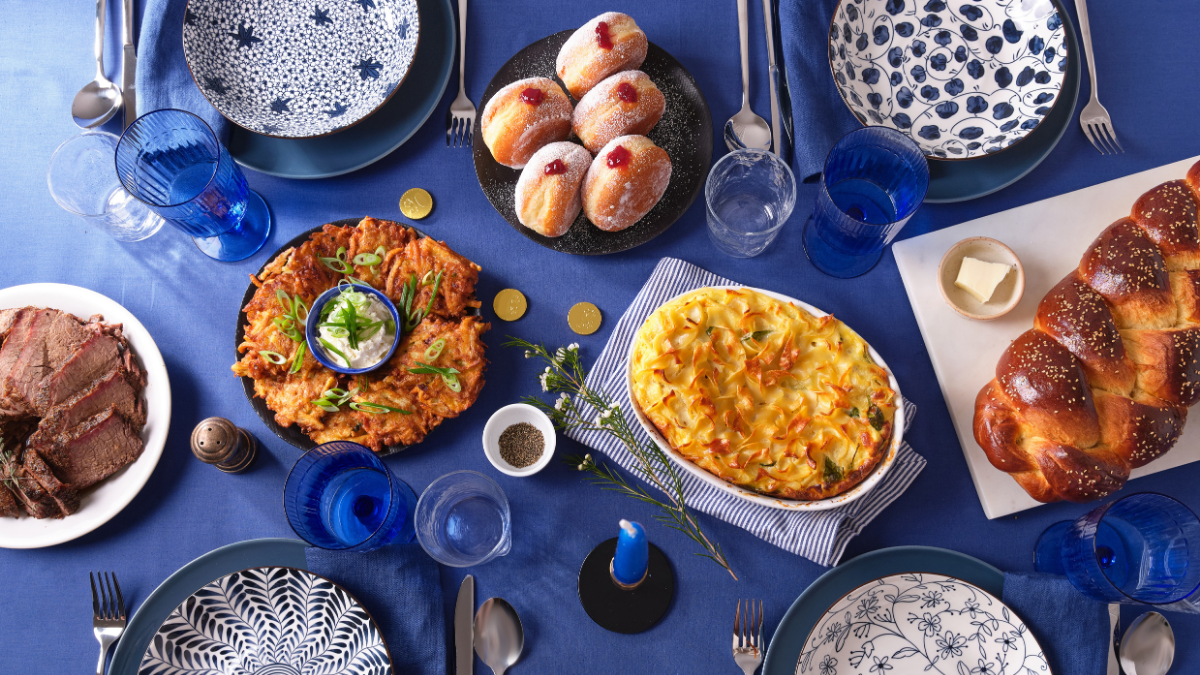
Hanukkah is a celebration of light, tradition, and family, with food playing a memorable part in the festivities. From golden, crispy potato latkes to jelly-filled doughnuts, many familiar Hanukkah foods are fried in oil.
There’s a reason for that tradition. Hanukkah commemorates the rededication of the Second Temple in Jerusalem and the story of a small supply of oil that miraculously burned for eight days.
For people following a gluten-free diet, Hanukkah offers plenty of possibilities. Some traditional dishes are naturally made without gluten-containing ingredients, while others need substitutions or a little extra care.
Here’s a guide to traditional Hanukkah foods, what may be gluten-free, and what to watch for if you have celiac disease.
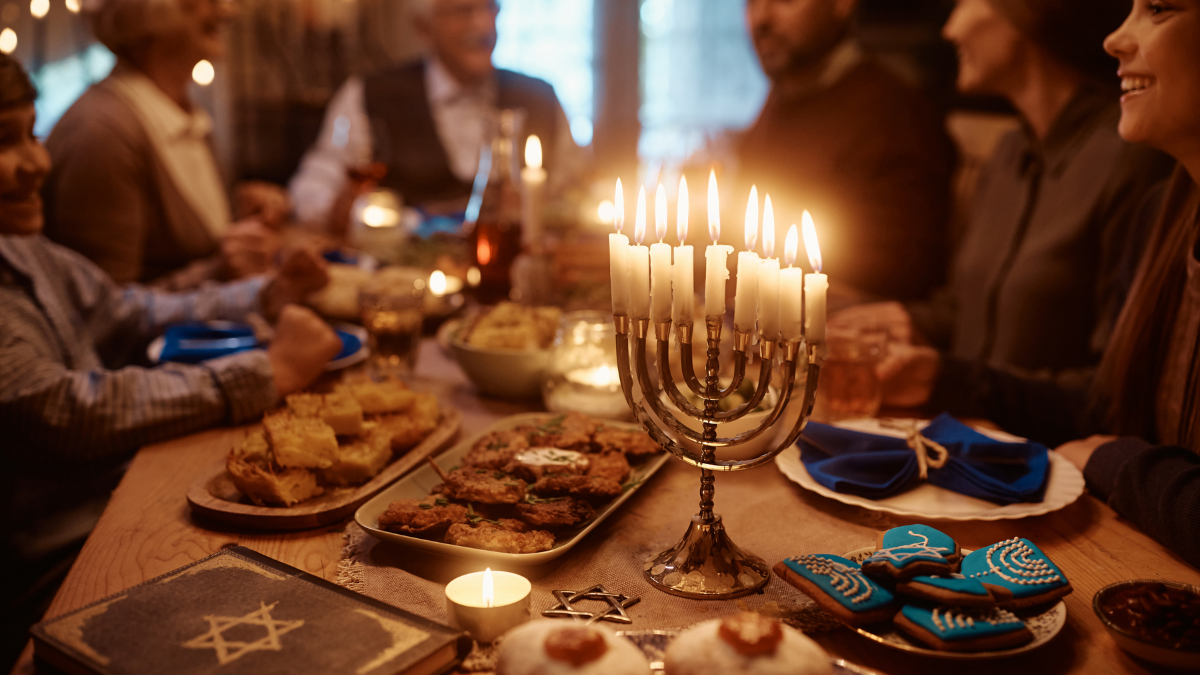
Table of Contents
When Is Hanukkah in 2026?
Hanukkah begins at sundown on Friday, December 4, 2026, and ends after nightfall on Saturday, December 12, 2026.
Also known as the Festival of Lights, this eight-day Jewish holiday is marked by lighting candles on a nine-branched hanukkiah, enjoying traditional foods, playing dreidel, and gathering with family and friends.
Because the Jewish calendar follows a different cycle from the Gregorian calendar, Hanukkah falls on different dates each year, usually in November or December.
Why Are Fried Foods Traditional at Hanukkah?
The tradition of eating foods cooked in oil recalls the miracle of the oil associated with Hanukkah.
Potato latkes and jelly doughnuts are especially familiar in Ashkenazi Jewish communities, while other Jewish communities have their own traditional fried foods, including bimuelos, sfenj, and other regional specialties.
These foods reflect the diverse culinary traditions of Jewish families around the world.
The good news for gluten-free eaters is that not every Hanukkah dish requires wheat flour. The important thing is knowing which ingredients are traditionally used.
Traditional Hanukkah Foods: Which Are Gluten-Free?
| Food | Gluten-free considerations |
|---|---|
| Potato latkes | Potatoes are gluten-free, but recipes may contain wheat flour or matzo meal |
| Sufganiyot | Traditional jelly doughnuts contain wheat flour |
| Chocolate gelt | Some varieties are gluten-free; check the ingredients and label |
| Brisket | Plain beef is gluten-free, but sauces, broth, and gravy may contain wheat |
| Applesauce | Plain applesauce is generally gluten-free |
| Sour cream | Plain sour cream is generally gluten-free |
| Potato kugel | May contain wheat flour or regular matzo meal |
| Noodle kugel | Usually contains wheat-based egg noodles |
| Challah | Traditional challah contains wheat |
| Bimuelos and sfenj | Traditional fried dough pastries generally contain wheat flour |
Let’s look at some of these foods more closely.
Potato Latkes: A Hanukkah Favorite
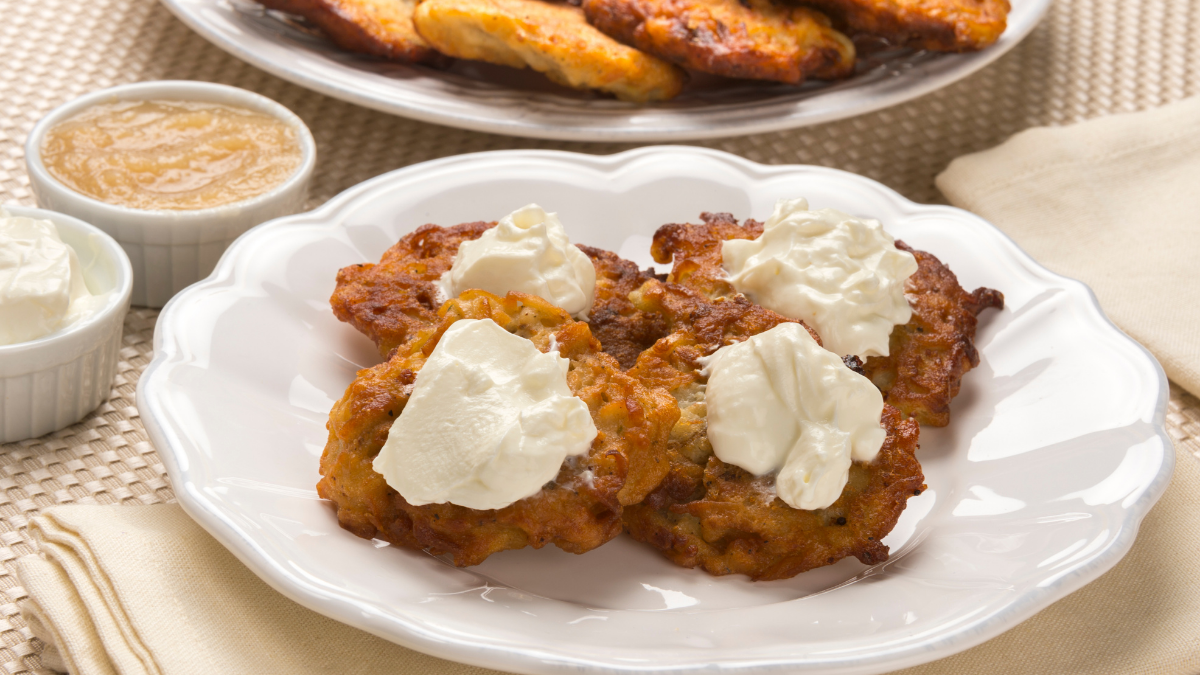
Few foods are as closely associated with Hanukkah as potato latkes.
These crispy potato pancakes are typically made with grated potatoes, onions, eggs, and a little flour or matzo meal to hold everything together. They’re often served with applesauce or sour cream.
Potatoes themselves are naturally gluten-free. It’s the added ingredients that require attention.
Some traditional latke recipes contain wheat flour or matzo meal, which is usually made from wheat. Other versions use potato starch or another gluten-free binder.
For someone with celiac disease, it’s important to check the complete ingredient list rather than assuming all potato pancakes are gluten-free.
The frying oil matters too. Latkes prepared in oil previously used for wheat-containing foods can be exposed to gluten through cross-contact.
If you’d like to learn more about potatoes and gluten, see our guide: Are Potatoes Gluten-Free?
Applesauce or Sour Cream?
Both are traditional accompaniments to latkes, and plain versions are generally gluten-free.
Flavored or prepared products may contain additional ingredients, so it’s still worth checking the label.
If you’re hosting a gathering, keep the toppings in separate bowls with their own serving spoons.
Sufganiyot: Hanukkah’s Jelly Doughnuts
Sufganiyot are round doughnuts traditionally filled with jam or jelly and dusted with powdered sugar.
They’re especially popular in Israel during Hanukkah, where bakeries offer everything from classic strawberry jam fillings to elaborate chocolate, caramel, and cream varieties.
Unfortunately, traditional sufganiyot are made with wheat flour and aren’t gluten-free.
Gluten-free versions are possible, but doughnuts are one of those foods where preparation matters as much as ingredients.
A bakery might use gluten-free flour yet fry the doughnuts in oil shared with wheat-based pastries. That’s a problem for anyone with celiac disease.
When buying gluten-free doughnuts, ask about both the ingredients and the fryer.
Chocolate Gelt: Are Hanukkah Chocolate Coins Gluten-Free?
Chocolate gelt is another familiar Hanukkah treat.
The small chocolate coins, often wrapped in gold or silver foil, are particularly popular with children and are sometimes used when playing dreidel.
The word gelt comes from Yiddish and means money.
Chocolate can be made without gluten-containing ingredients, but not every chocolate product is gluten-free.
Some varieties contain cookie pieces, barley malt, or other gluten-containing additions. Others may be manufactured on equipment shared with wheat-containing products.
For someone with celiac disease, choosing chocolate gelt specifically labeled gluten-free is a sensible precaution.
Don’t assume that all chocolate coins are suitable simply because they appear to be plain milk or dark chocolate.
Brisket: A Gluten-Free Holiday Main Dish?
Brisket is a popular dish at many Jewish holiday gatherings, although it isn’t exclusive to Hanukkah.
Plain beef is naturally gluten-free, making brisket a promising main course for a gluten-free holiday meal.
The ingredients that require attention are usually found in the sauce, seasoning, or gravy.
Recipes may include wheat flour, packaged soup mixes, bouillon, soy sauce, or other ingredients containing gluten.
Gravy is particularly worth checking because wheat flour is commonly used as a thickener.
For more information, see our guide to Gluten-Free Gravy Brands, including what to look for when buying gravy mixes and prepared products.
If preparing brisket at home, use gluten-free broth, seasonings, and thickeners, and avoid cross-contact with wheat-containing foods.
Kugel: Potato or Noodle?
Kugel is a traditional Jewish baked dish with many variations, both sweet and savory.
Two familiar versions are potato kugel and noodle kugel, but they differ considerably when it comes to gluten.
Potato Kugel
Potato kugel is commonly made with grated potatoes, onions, eggs, and seasonings.
Some recipes include regular matzo meal or wheat flour, while others use potato starch or other gluten-free ingredients.
A potato kugel isn’t automatically gluten-free just because potatoes are its main ingredient.
Noodle Kugel
Noodle kugel is typically made with egg noodles, which usually contain wheat flour.
Sweet versions may include cottage cheese, sour cream, raisins, and cinnamon, while savory versions use different seasonings and vegetables.
Gluten-free noodle kugel is possible using suitable gluten-free noodles, but the complete recipe should be checked.
What About Challah and Matzo Meal?
Traditional challah is a braided bread usually made with wheat flour. Although it’s more commonly associated with Shabbat and other Jewish holidays, it may also appear at family meals during Hanukkah.
Gluten-free challah is available from some specialty bakeries, and there are recipes developed specifically for gluten-free flour blends.
Matzo meal is another ingredient to watch.
Regular matzo meal is made from wheat-based matzo and contains gluten. It’s often used in Jewish cooking as a binder or coating.
Some gluten-free alternatives are made from other ingredients, but they aren’t necessarily interchangeable in recipes.
If kosher observance is important to your household, also check that products meet the relevant religious requirements. Gluten-free labeling and kosher certification address different concerns.
Gluten-Free Hanukkah Foods From Different Jewish Traditions
Hanukkah food traditions extend well beyond latkes and sufganiyot.
Jewish communities in different parts of the world have developed their own festive dishes.
Bimuelos: Fried dough treats associated with Sephardic Jewish traditions. Traditional versions commonly contain wheat flour, although gluten-free adaptations are possible.
Sfenj: Ring-shaped fried doughnuts enjoyed in Moroccan and other North African Jewish communities. They’re traditionally wheat-based.
Keftes de prasa: Leek fritters associated with Sephardic cuisine. Recipes vary, and some use flour or matzo meal as a binder.
Dairy foods: Some Hanukkah traditions include cheese and dairy dishes associated with the story of Judith. Plain dairy products may be gluten-free, but prepared dishes require checking.
These examples illustrate how much variety exists within Jewish food traditions—and why it’s helpful to ask about a particular dish rather than assuming all versions use the same ingredients.
How to Avoid Gluten Cross-Contact During Hanukkah
Even foods prepared without gluten-containing ingredients can become unsuitable for someone with celiac disease if they’re handled alongside wheat-based foods.
A few precautions can make holiday meals easier to navigate.
Use clean frying oil. Don’t prepare gluten-free latkes or doughnuts in oil that has been used for wheat-containing foods.
Check flour and matzo meal. Traditional recipes may use these ingredients in small amounts that aren’t obvious from the finished dish.
Read packaged ingredient labels. Broth, gravy mixes, seasoning blends, chocolate, and prepared sauces can contain gluten.
Use separate utensils. Serving spoons, cutting boards, and preparation surfaces can transfer crumbs or flour between foods.
Ask questions at bakeries. Gluten-free ingredients don’t guarantee gluten-free preparation.
Keep serving dishes clearly identified. At family gatherings, separate gluten-free foods from foods containing wheat and provide dedicated serving utensils.
For more guidance, explore our Hidden Gluten Guide, including labeling, seasonings, and cross-contact.
A Gluten-Free Hanukkah Menu: Foods to Consider
Planning a gluten-free Hanukkah meal doesn’t require abandoning traditional foods.
Depending on your family’s customs, possibilities include:
- Potato latkes made with gluten-free ingredients and fresh cooking oil
- Plain applesauce and sour cream
- Brisket prepared with gluten-free broth and seasonings
- Potato kugel made without wheat flour or regular matzo meal
- Roasted vegetables
- A fresh salad with gluten-free dressing
- Chocolate gelt labeled gluten-free
- Gluten-free sufganiyot from a bakery with suitable preparation practices
The goal isn’t to replace every traditional dish. It’s to identify the foods that can be enjoyed safely and make thoughtful substitutions where necessary.
Frequently Asked Questions
Are potato latkes gluten-free?
Not always. Potatoes are naturally gluten-free, but some latke recipes use wheat flour or regular matzo meal. Check the ingredients and avoid shared frying oil.
Are Hanukkah doughnuts gluten-free?
Traditional sufganiyot contain wheat flour. Gluten-free versions are available, but confirm how they’re prepared, especially whether the frying oil is shared.
Is chocolate gelt gluten-free?
Some varieties are gluten-free, but not all. Check the packaging for gluten-containing ingredients and gluten-free labeling.
Is matzo meal gluten-free?
Regular matzo meal contains wheat and isn’t gluten-free. Specialty gluten-free alternatives exist.
Can someone with celiac disease enjoy traditional Hanukkah foods?
Yes. Many traditional dishes can be prepared using gluten-free ingredients. The main considerations are wheat-containing binders, sauces, bread products, and cross-contact during preparation.
Celebrating Hanukkah Gluten-Free
Hanukkah brings together traditions of light, remembrance, family, and food. Whether your celebration includes potato latkes, sufganiyot, brisket, or dishes handed down through generations, there are ways to accommodate a gluten-free diet.
Understanding which ingredients contain gluten—and paying attention to how food is prepared—makes it easier for everyone to share in the celebration.
Happy Hanukkah!

Club Gluten Free shares practical, well-researched guides to gluten-free ingredients, products, restaurants and recipes. We check manufacturer statements and celiac organization guidance, and update our guides when products change.