
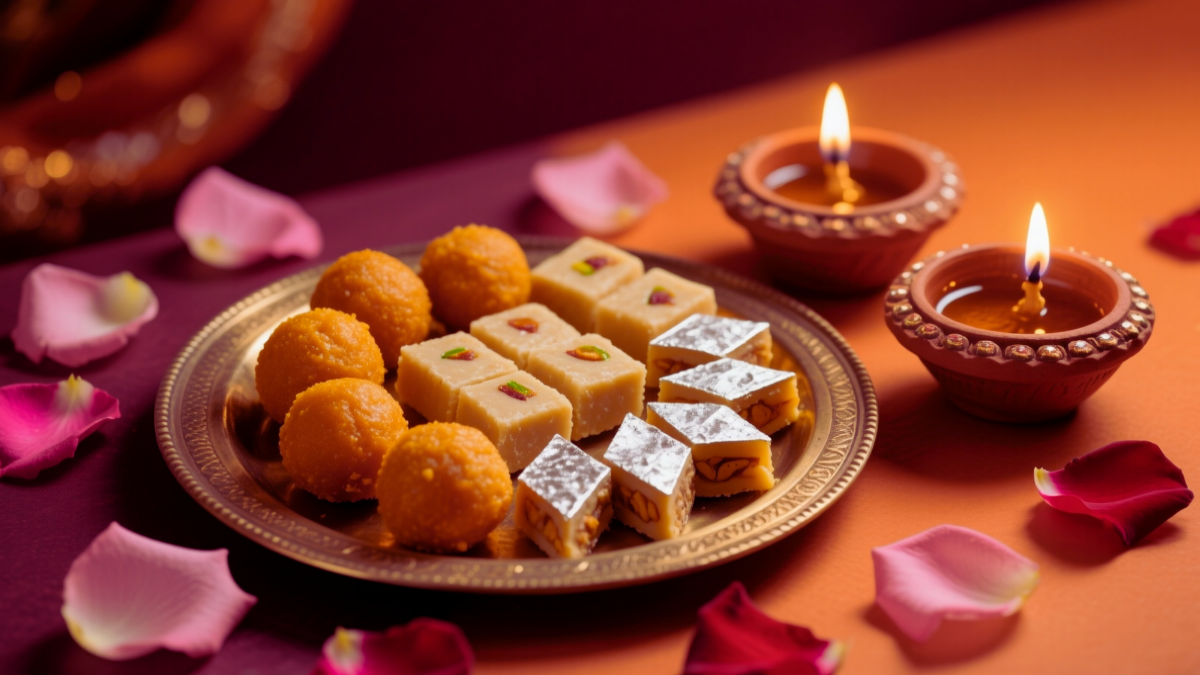
Diwali is a time for lights, family gatherings, festive meals, and plenty of sweets. If you’re following a gluten-free diet, there’s good news: many traditional Indian dishes are made with naturally gluten-free ingredients.
However, not every Diwali sweet or savory snack is gluten-free. Wheat flour, semolina, certain spice blends, and shared cooking equipment can introduce gluten into foods that otherwise look suitable.
Here’s a practical guide to choosing gluten-free Diwali foods while enjoying the traditions of the festival.
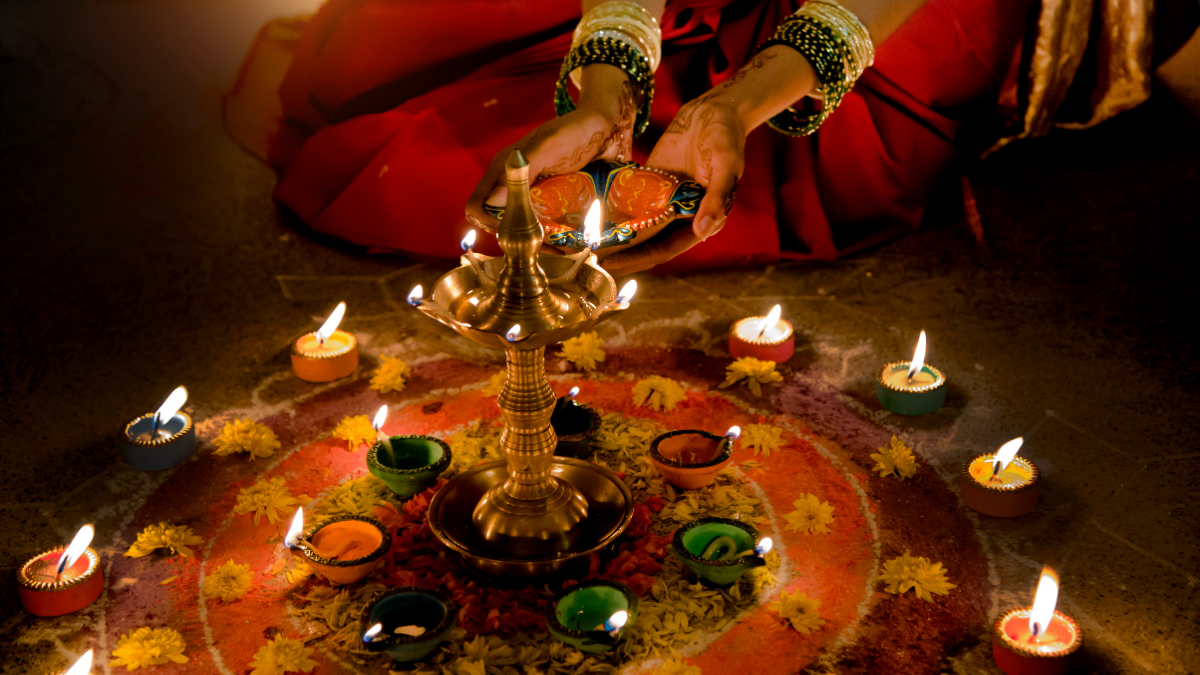
Table of Contents
When Is Diwali in 2026?
Diwali, also known as Deepavali or the Festival of Lights, falls on Sunday, November 8, 2026. Celebrations and customs vary between regions and communities, and festivities may extend over several days.
Sharing sweets and festive food is an important part of many Diwali celebrations. Fortunately, there are plenty of traditional dishes that can be suitable for a gluten-free diet.
Traditional Diwali Sweets That May Be Gluten-Free
Many Indian sweets are made with milk, nuts, coconut, chickpea flour, or rice rather than wheat. The ingredients and preparation methods vary, so always check the particular recipe or product.
Besan Ladoo
Besan ladoo are round sweets made with roasted chickpea flour (besan), ghee, and sugar, sometimes flavored with cardamom and nuts.
Pure chickpea flour is naturally gluten-free, making traditional besan ladoo a promising choice. However, confirm that the flour hasn’t been mixed or cross-contaminated with wheat flour.
Coconut Ladoo
Coconut ladoo are commonly made with shredded coconut, condensed milk or sugar, and cardamom.
These ingredients are generally gluten-free, but packaged versions may contain additional flavorings, coatings, or ingredients. Always check the label.
Kaju Katli
Kaju katli is a cashew-based sweet traditionally made with ground cashews and sugar.
A simple traditional version contains no wheat flour. Still, commercial products may contain additional ingredients or be prepared alongside wheat-based sweets.
Barfi
Barfi comes in many varieties, including milk, coconut, pistachio, and cashew.
Some versions are made without gluten-containing ingredients, while others may include flour, semolina, or other additions. Check the ingredients rather than assuming that all barfi is gluten-free.
Kheer
Kheer is a creamy dessert often made with rice, milk, sugar, and cardamom.
Rice-based kheer is generally easy to prepare without gluten-containing ingredients. But not all kheer uses rice—some versions use vermicelli or semolina, which may contain wheat.
Choose a rice-based version and verify all ingredients.
Diwali Savory Snacks: Where Gluten Can Hide
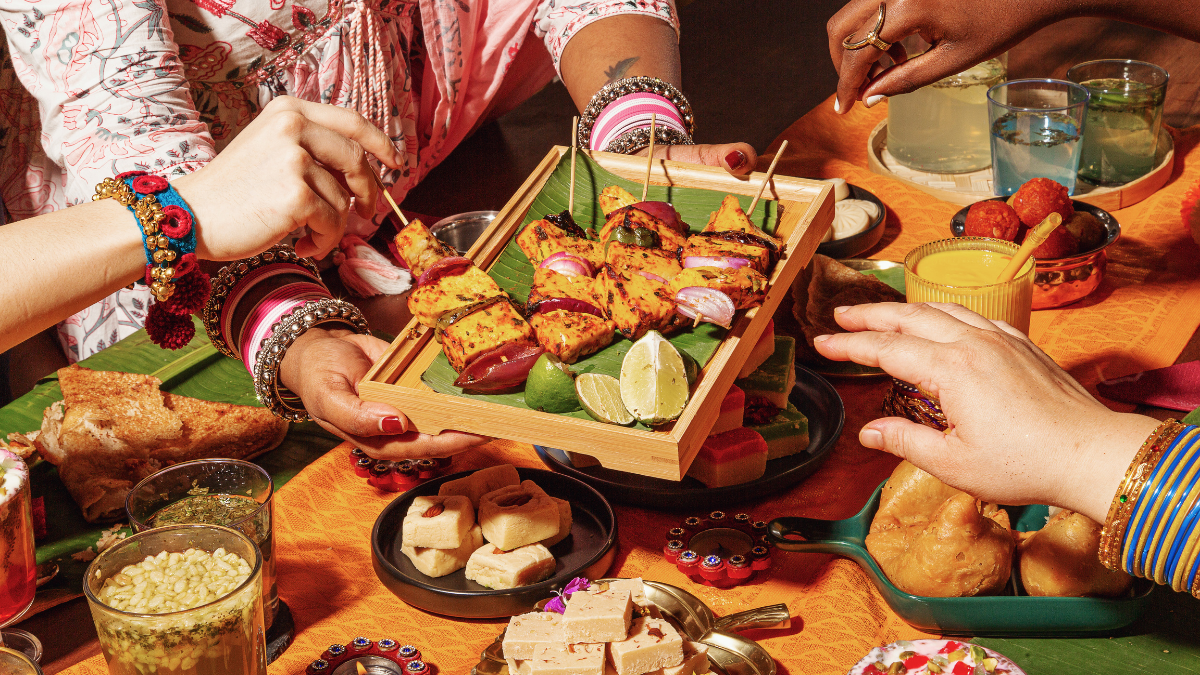
Savory snacks deserve particular attention because many traditionally use wheat flour or semolina.
| Food | What to check |
|---|---|
| Pakora | Often made with chickpea flour, but some recipes include wheat flour or use shared frying oil |
| Chakli / Murukku | May use rice flour and lentil flour, but some varieties contain wheat |
| Samosas | Traditional pastry usually contains wheat flour |
| Mathri | Generally made with wheat flour or all-purpose flour |
| Namak para | Usually made with wheat flour |
| Chivda | Often rice- or flattened-rice-based, but seasonings and manufacturing practices vary |
Traditional samosa pastry usually contains wheat flour. Learn more in our article on whether samosas are gluten-free.
Watch for Asafoetida (Hing)
Asafoetida is a seasoning commonly used in Indian cooking. Commercial hing powder is frequently compounded with wheat flour, although gluten-free alternatives are available.
If a dish contains hing, check which product was used. Pure asafoetida or a verified gluten-free blend is preferable when preparing food for someone with celiac disease.
For more guidance on traditional dishes, see our guide to gluten-free Indian food, including common ingredients and foods to watch for.
How to Enjoy Diwali Food Safely With Celiac Disease
Ask about the flour. Indian cooking uses several different flours. Besan (chickpea flour) and rice flour are naturally gluten-free, while maida (refined wheat flour), atta (wheat flour), and sooji or rava (typically wheat semolina) contain gluten.
Check packaged sweets. Look for a gluten-free label rather than relying only on a short ingredient description. Ingredients and manufacturing practices can change.
Watch for shared fryers. A pakora made without wheat may still pick up gluten if it’s fried in oil used for samosas or other wheat-based snacks.
Ask about sweets from Indian bakeries. Display cases, cutting tools, preparation surfaces, and shared utensils can introduce cross-contact.
Be careful with spice blends. Check packaged masalas and hing blends for wheat-containing ingredients. For more ingredients worth checking, visit our Hidden Gluten guide, which covers spices, sauces, and other unexpected sources of gluten.
Gluten-Free Diwali Food Ideas for Your Celebration
You don’t have to recreate an entire traditional menu to enjoy Diwali food. Depending on your family’s customs, a gluten-free spread could include:
- Besan ladoo made with verified gluten-free chickpea flour
- Coconut ladoo
- Traditional cashew-based kaju katli
- Rice kheer
- Vegetable pakora made with gluten-free besan and fried in clean oil
- A savory rice dish with verified gluten-free seasonings
- Fresh fruit and nuts
If you’re cooking for someone with celiac disease, clean equipment and careful ingredient selection are just as important as the recipe itself.
Frequently Asked Questions
Are Indian sweets gluten-free?
Some are. Sweets made with chickpea flour, coconut, nuts, milk, or rice can be naturally gluten-free. Others contain wheat flour or semolina, so check each recipe or product individually.
Is besan gluten-free?
Pure besan, or chickpea flour, is naturally gluten-free. For celiac disease, choose flour labeled gluten-free to reduce the risk of cross-contact.
Is kaju katli gluten-free?
Traditional kaju katli made from cashews and sugar generally contains no gluten ingredients. Check packaged versions for additional ingredients and cross-contact.
Are samosas gluten-free?
Most traditional samosas aren’t gluten-free because their pastry contains wheat flour. Gluten-free versions can be made using alternative flours.
Is Diwali food safe for someone with celiac disease?
There are many possible gluten-free choices, but safety depends on the exact ingredients and preparation. Ask about flour, seasonings, and shared equipment, particularly when food comes from a bakery, restaurant, or another kitchen.
Enjoying Diwali Gluten-Free
Following a gluten-free diet doesn’t mean missing out on the flavors and traditions of Diwali. Many festive sweets and savory dishes can be prepared without gluten-containing ingredients.
The key is knowing which ingredients to check and taking care with cross-contact, especially when sharing food prepared outside your own kitchen.
With a little planning, you can enjoy the celebration and its wonderful food traditions with greater confidence.

Club Gluten Free shares practical, well-researched guides to gluten-free ingredients, products, restaurants and recipes. We check manufacturer statements and celiac organization guidance, and update our guides when products change.