

A celiac disease diagnosis can make an ordinary trip to the grocery store suddenly feel complicated.
Bread is obvious. But what about soy sauce? Oats? French fries? The butter everyone has been using? Your toaster? A restaurant that says something is “gluten friendly”?
You do not need to learn all of this in one day.
Start with the basics: understand what needs to change, make your everyday food safe, and learn a few habits that will quickly become routine.
Table of Contents
First: What Does a Celiac Disease Diagnosis Mean?
Celiac disease is a chronic immune-mediated condition in which eating gluten triggers a reaction that damages the small intestine. Gluten is found in wheat, barley and rye. The treatment is a strict gluten-free diet.
Celiac disease is not the same thing as non-celiac gluten or wheat sensitivity, and it is not the same as a wheat allergy.
People with non-celiac gluten/wheat sensitivity can experience symptoms when eating gluten or wheat, but they do not have the characteristic intestinal damage of celiac disease. A wheat allergy is an allergic reaction to proteins in wheat; someone with a wheat allergy may need to avoid wheat but not necessarily all sources of gluten.
That distinction matters because the testing, medical implications and dietary management are different.
If You Suspect Celiac Disease but Haven’t Finished Testing Yet
Do not start a gluten-free diet on your own before speaking with your healthcare professional about testing.
Celiac blood tests and intestinal biopsies are most accurate while you are still eating gluten. Removing gluten beforehand can affect the results. Genetic tests such as HLA-DQ2 or HLA-DQ8 can sometimes help rule celiac disease out, but having one of those genes does not diagnose celiac disease; many people carry them without ever developing the condition.
If you have already been diagnosed, however, the next step is learning how to live safely without gluten.
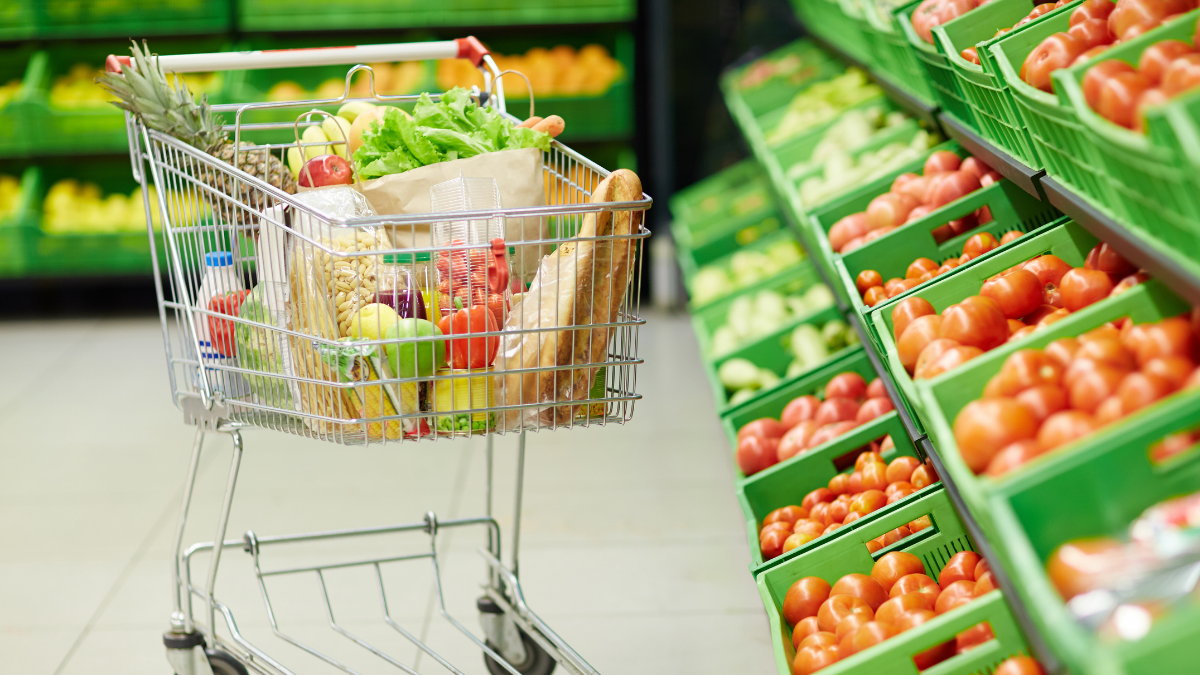
Start With Food That Is Naturally Gluten Free
One of the easiest mistakes after diagnosis is trying to replace your entire diet immediately with specialty gluten-free versions of everything you used to eat.
You can do that later.
For the first few days, keep meals simple.
Fresh fruit and vegetables, eggs, plain dairy products, unseasoned meat and fish, beans, lentils, potatoes, rice, quinoa, corn and many nuts and seeds are naturally gluten free. Check labels whenever foods are seasoned, marinated, processed or packaged.
A simple dinner might be baked chicken or tofu, potatoes and vegetables. Breakfast could be eggs and fruit. Lunch might be rice with vegetables, beans and cheese.
This gives you something important when everything else feels uncertain: food you know how to eat.
Celiac Disease Foundation maintains a useful list of naturally gluten-free foods and grains.
Club Gluten Free also has a practical guide for hosting and preparing naturally gluten-free meals, including simple meal ideas and ingredient swaps.
Your First Gluten-Free Grocery Shop
Do not try to buy a gluten-free equivalent of every food in your kitchen.
Start with the foods you actually use every week.
A useful first shop might include:
- rice, potatoes, quinoa or another naturally gluten-free starch
- fruit and vegetables
- eggs, dairy, beans, lentils, meat, fish or other protein
- gluten-free bread
- gluten-free pasta
- a breakfast cereal you have verified
- gluten-free crackers or another easy snack
- gluten-free flour or a baking blend if you bake
- a gluten-free soy sauce or tamari if you use soy sauce
- a few easy freezer or pantry foods for days when you do not want to cook
The current Club Gluten Free Walmart shopping guide is useful for seeing the range of breads, pastas, baking products, snacks and frozen foods now available.
For that first shop, forget about building the perfect gluten-free pantry. Buy enough familiar, safe food to get you through breakfast, lunch, dinner and a snack tomorrow. You’ll soon begin to recognize gluten free packaging and find your favorite brands.

Learn to Read Labels
Label reading becomes one of the most useful skills you can learn.
The major gluten-containing grains are wheat, barley and rye, along with related grains and hybrids such as spelt and triticale.
In Canada, gluten sources must be declared on most prepackaged food labels by their prescribed source names. Health Canada and the Canadian Food Inspection Agency identify wheat, barley, rye, triticale and regular oats as gluten sources requiring attention.
In the United States, wheat is a major allergen and must be declared under allergen-labeling rules, but barley and rye do not have the same major-allergen status. That means Americans cannot rely only on the bold Contains: Wheat statement; the entire ingredient list still matters.
Also remember: wheat-free does not mean gluten-free. A wheat-free food could still contain barley or rye.
What About Oats?
Oats deserve their own rule.
Pure oats do not contain the same gluten found in wheat, barley and rye, but ordinary oats are frequently exposed to those grains during growing, harvesting, transportation or processing.
For someone with celiac disease, use oats and oat-containing foods that are specifically labeled gluten-free.
Health Canada permits specially produced gluten-free oats and foods containing them to carry a gluten-free claim when regulatory conditions are met, including a finished gluten level no greater than 20 parts per million. Regular oats should not be assumed safe.
Most people with celiac disease can tolerate properly produced gluten-free oats, but a smaller group may react to the oat protein avenin. Whether and when to introduce oats can be discussed with your doctor or celiac-knowledgeable dietitian.
For breakfast ideas, see Club Gluten Free’s gluten-free cereal guide. Because cereal formulations change, always check today’s package rather than relying solely on an older product list.
“Gluten Free,” “Certified Gluten Free” and “No Gluten Ingredients” Are Not the Same Thing
This distinction will save you a lot of confusion.
A product labeled gluten-free must meet the applicable gluten-free labeling standard. In both Canada and the United States, 20 parts per million is the key regulatory level used for gluten-free claims.
A certified gluten-free product has also gone through a third-party certification program. Certification is optional. It can provide additional reassurance, but a certification logo is not required for a food to legitimately carry a gluten-free claim, and the FDA does not endorse one particular certification organization.
A food with no obvious gluten ingredients is different. It may indeed be safe, particularly if it is naturally gluten free, but the phrase by itself does not tell you whether cross-contact was controlled or whether the product meets the requirements for a gluten-free claim.
This distinction is especially useful with grain products, baking ingredients, cereals, snacks and foods manufactured on shared equipment.
And do not assume that the absence of a “may contain” warning proves there is no cross-contact risk. Precautionary labeling rules differ by country, and in the United States such statements are voluntary.
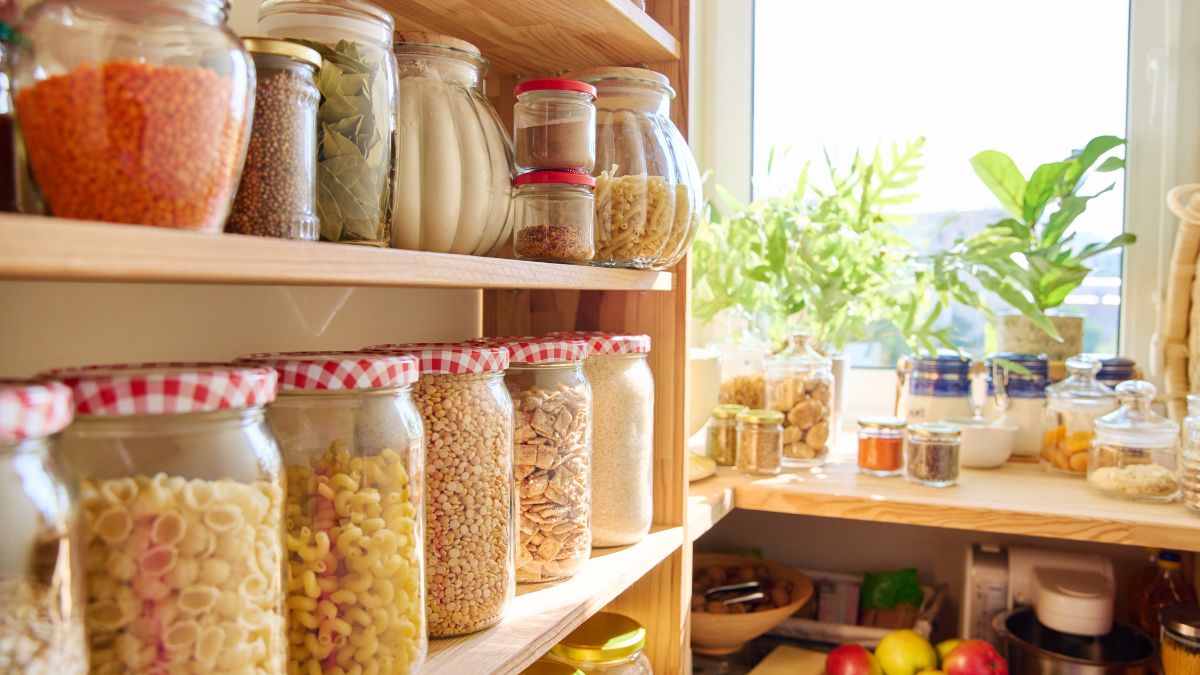
Go Through Your Pantry — But Don’t Throw Everything Away
You do not need to empty your kitchen into a garbage bag.
Work shelf by shelf.
Keep naturally gluten-free foods and packaged products you can verify. Give unopened gluten-containing foods to friends, family or a food bank if appropriate. In a household where other people continue to eat gluten, designate a shelf, bin or cupboard for gluten-free foods.
Open packages deserve more thought. A bag of sugar that has repeatedly had a flour-covered measuring cup dipped into it, for example, is different from a sealed can of tomatoes.
You are looking for actual routes of gluten transfer, not trying to sterilize your house.
Club Gluten Free’s guide to preparing food for a gluten-free guest is a useful introduction to cross-contact in a shared kitchen.
Prevent Cross-Contact at Home
A gluten-free household is not the only safe option. Many people with celiac disease live successfully in kitchens shared with people who eat gluten.
The key is preventing crumbs, flour and gluten-containing food from reaching your food.
Pay particular attention to:
The toaster. A separate gluten-free toaster remains a simple precaution recommended by celiac organizations.
Condiments. Butter, jam, peanut butter and similar jars can collect crumbs when a knife is used on regular bread and dipped back into the container. Use separate containers or squeeze bottles.
Pasta water. Never cook gluten-free pasta in water that has already cooked regular pasta.
Colanders and strainers. These can be difficult to clean thoroughly, particularly if food becomes trapped in small openings. A dedicated gluten-free one is an easy solution.
Cutting boards and wooden utensils. Clean nonporous equipment thoroughly. Consider separate equipment where surfaces are porous, badly scratched or difficult to clean.
Baking. Wheat flour can spread remarkably easily. Clean preparation surfaces carefully and, in a shared kitchen, prepare gluten-free baking before working with regular flour.
You do not necessarily need a separate set of every pot, pan, plate and fork. Current evidence and guidance emphasize thorough washing with soap and water for equipment that can be cleaned properly.

Eating at Restaurants
A gluten-free item on a menu does not automatically mean it is appropriate for someone with celiac disease.
Tell the restaurant that you have celiac disease and need to avoid gluten cross-contact.
Then ask questions that relate to the food you are ordering.
For fried food: Is there a dedicated gluten-free fryer?
For pasta: Is the gluten-free pasta cooked in fresh water with a clean pot and strainer?
For burgers or toast: Is the gluten-free bread toasted separately?
For grilled food: Is the grill shared with buns, breaded foods or gluten-containing sauces? Can a clean pan or separate surface be used?
For pizza: How is the gluten-free crust kept away from regular flour and dough?
Also ask about sauces, marinades and dressings rather than assuming they are safe.
Celiac Canada’s current dining-out guidance recommends exactly this approach: identify yourself as having celiac disease, ask how the restaurant prevents cross-contact, and focus on the procedures relevant to the meal you want to order.
Club Gluten Free has many restaurant-specific guides. For example, the site’s Chili’s gluten-free guide discusses the importance of shared fryers, while the Olive Garden guide discusses restaurant preparation practices.
Restaurant menus and procedures change, however, so use guides for research and then verify current information with the restaurant.
Find a Few Dependable Replacements
You may not love the first gluten-free bread you try. If the first gluten-free bread is awful, try another one.
Bread, pasta and baked goods vary enormously between brands because replacing wheat gluten changes texture and structure. Try a few rather than deciding that all gluten-free bread is terrible after one loaf.
Choose one dependable product in each category you use regularly: bread, pasta, cereal, crackers, flour, snacks and perhaps pizza or another freezer food.
The 2026 Walmart gluten-free shopping guide gives you a useful starting point across several everyday categories. For breakfast, Club Gluten Free has a dedicated cereal guide, and the gluten-free granola bar guide can help with portable snacks.
If you bake, the site’s King Arthur gluten-free flour guide is one place to begin exploring gluten-free flour blends.
Always check the current package because ingredients and manufacturing processes can change.

Watch for Less-Obvious Gluten
Once you know that ordinary bread, pasta and cake contain gluten, the next surprises are usually foods in which wheat or barley is functioning as a seasoning, thickener or flavoring.
Examples worth checking include soups, gravies, sauces, seasoning blends, salad dressings, marinades, bouillon, cereals, breaded foods and some candies.
Traditional soy sauce commonly contains wheat. Club Gluten Free has a detailed guide to gluten in soy sauce and gluten-free alternatives.
Barley malt is another common source. It can appear in cereal, malt vinegar, malted drinks and other foods. See the site’s guide to malt flavor.
Do not assume an unfamiliar chemical-sounding ingredient contains gluten merely because its name is confusing. Learn the actual gluten sources rather than trying to memorize hundreds of “dangerous-sounding” ingredients.
Alcohol and Gluten
Alcohol is more nuanced than “all alcohol contains gluten” or “all distilled alcohol is safe.”
Traditional beer, ale and lager are generally made from gluten-containing grains and are not gluten free. Beer specifically made from gluten-free grains can be suitable. People with celiac disease should be cautious about gluten-reduced or gluten-removed beers made from barley or other gluten grains; Celiac Canada advises people with celiac disease to avoid them.
Wine and cider made from gluten-free ingredients are generally gluten free.
Distilled spirits are considered gluten free after proper distillation even when the original grain contained gluten, because gluten proteins do not carry through distillation. Flavored spirits, liqueurs and premixed drinks need another look because ingredients may be added after distillation.
Club Gluten Free has an alcohol guide and champagne overview and a separate cider guide. Again, verify the current label or manufacturer information before relying on a brand-specific recommendation.

Travel and Eating Away From Home
Travel is one of those things that seems daunting at first. Once you know what food you can always fall back on, it gets much easier.
Before leaving, research restaurants near your hotel, locate a grocery store, and carry enough safe food to get through unexpected delays.
For flights or road trips, portable options such as nuts, gluten-free bars, crackers, fruit and sandwiches can keep a delayed flight from becoming a food emergency.
For international travel, learn the labeling rules at your destination and consider carrying a translated celiac dining card.
Club Gluten Free’s celiac guide to gluten-free travel covers restaurants, grocery stores, hotels, airports and packing food.
Do Not Skip Medical and Nutritional Follow-Up
Going gluten free is the treatment for celiac disease, but diagnosis is not the end of medical care.
Because damage to the small intestine can interfere with nutrient absorption, people may have deficiencies at diagnosis. Depending on the individual, healthcare professionals may assess iron, vitamin D, B vitamins and other nutrients, as well as bone health and other issues associated with celiac disease.
Follow-up commonly begins within several months of diagnosis and continues periodically. Your healthcare team may monitor symptoms, celiac antibody levels, nutritional status and recovery. A registered dietitian experienced in celiac disease can be particularly helpful in making sure your gluten-free diet is both safe and nutritionally adequate.
Do not start a collection of supplements simply because you have celiac disease. Your healthcare provider can determine whether you actually have deficiencies and what needs to be treated.
Use Club Gluten Free as a Research Tool
You do not have to search the entire internet every time you wonder whether a cereal, restaurant or ingredient is gluten free.
The Club Gluten Free homepage provides quick access to the site’s Product Finder, Restaurant Finder, Alcohol Finder, baking resources, recipes and other gluten-free guides.
Use those tools as a starting point when investigating a product or restaurant, then confirm the current label, manufacturer information or restaurant procedures when the details matter for celiac safety.
This is especially important with packaged foods and restaurant menus. Recipes change. Suppliers change. Manufacturing facilities change. A product that was gluten free when an article was written may not necessarily be identical today.
Make the Foods You Already Love
A celiac diagnosis does not require you to adopt an entirely unfamiliar way of eating.
Most familiar dishes can be adapted.
Use gluten-free pasta in your usual pasta sauce. Thicken gravy with cornstarch or a gluten-free flour. Use gluten-free breadcrumbs. Replace ordinary soy sauce with a verified gluten-free version. Make pancakes with a gluten-free mix. Use corn tortillas where they suit the recipe.
You may even discover that some meals you have always eaten were already naturally gluten free.
If you want to experiment, Club Gluten Free has recipes throughout the archive, including Bob’s Red Mill gluten-free pancakes and waffles and easy no-bake gluten-free treats.
You Do Not Have to Become a Celiac Expert Immediately
At first, gluten seems to be everywhere.
Then patterns begin to appear.
You learn which three breads you like. You know which soy sauce to buy. You stop having to think about the toaster. You develop a restaurant script. Reading a label takes seconds instead of five minutes. You know what to put in your suitcase.
For now, concentrate on the next meal, the next grocery trip and a few safe routines at home.
You can learn the rest as you need it.
A gluten-free life requires attention, especially with celiac disease, but it does not have to become your entire life.
Download our free Gluten Free Checklist