

If you’ve ever found yourself squinting at food labels, flipping over packages to read the fine print, or frantically Googling ingredients in the grocery store aisle, you’re not alone. As someone with celiac disease, I’ve been there—more times than I can count. The good news? Once you understand gluten-free labeling, it gets a lot easier to make safe choices.
In this post, we’ll break down what gluten-free labeling really means, the different certifications to look for, and some surprising foods that aren’t always as safe as they seem. Let’s dive in!
Table of Contents
What Gluten-Free Means Legally
First things first—what does “gluten-free” actually mean?
In the U.S., the FDA defines gluten-free as containing less than 20 parts per million (ppm) of gluten. That might sound tiny (because it is), but research suggests that most people with celiac disease can tolerate foods with levels below this threshold. Similar standards apply in Canada and the EU, although some countries have different regulations—Australia is stricter and requires no detectable gluten.
The important thing to know is that just because a product says “gluten-free” on the label doesn’t always mean it’s been thoroughly tested. Some brands voluntarily use this label without undergoing third-party certification. That’s where gluten-free certifications come in handy!
Understanding Gluten-Free Certifications
If you’re looking for extra peace of mind, certified gluten-free labels are your best friend. These certifications mean that a product has been tested and verified to meet strict gluten-free standards. Here are a few of the most trusted ones:
1. Certified Gluten-Free (GFCO – Gluten-Free Certification Organization)
- One of the most widely recognized gluten-free certifications.
- Requires products to contain less than 10 ppm of gluten (even stricter than the FDA’s 20 ppm rule).
2. Celiac Support Association (CSA) Seal
- Even stricter—requires products to contain less than 5 ppm of gluten.
- Often used on specialty brands catering to those with celiac disease.
3. Gluten-Free Certification Program (GFCP – Canada)
- A key certification for Canadian gluten-free shoppers, and endorsed in the U.S. by Beyond Celiac.
Seeing one of these labels on a product means that it has undergone rigorous testing and is less likely to be cross-contaminated. If you have celiac disease or a severe gluten intolerance, this extra layer of security is worth looking for!
Hidden Sources of Gluten: Foods That Might Surprise You
One of the biggest challenges in living gluten-free is that gluten hides in the weirdest places. Here are some foods that might seem safe but often contain gluten:
- Soy sauce – Most brands use wheat, but you can find gluten-free tamari as a safe alternative.
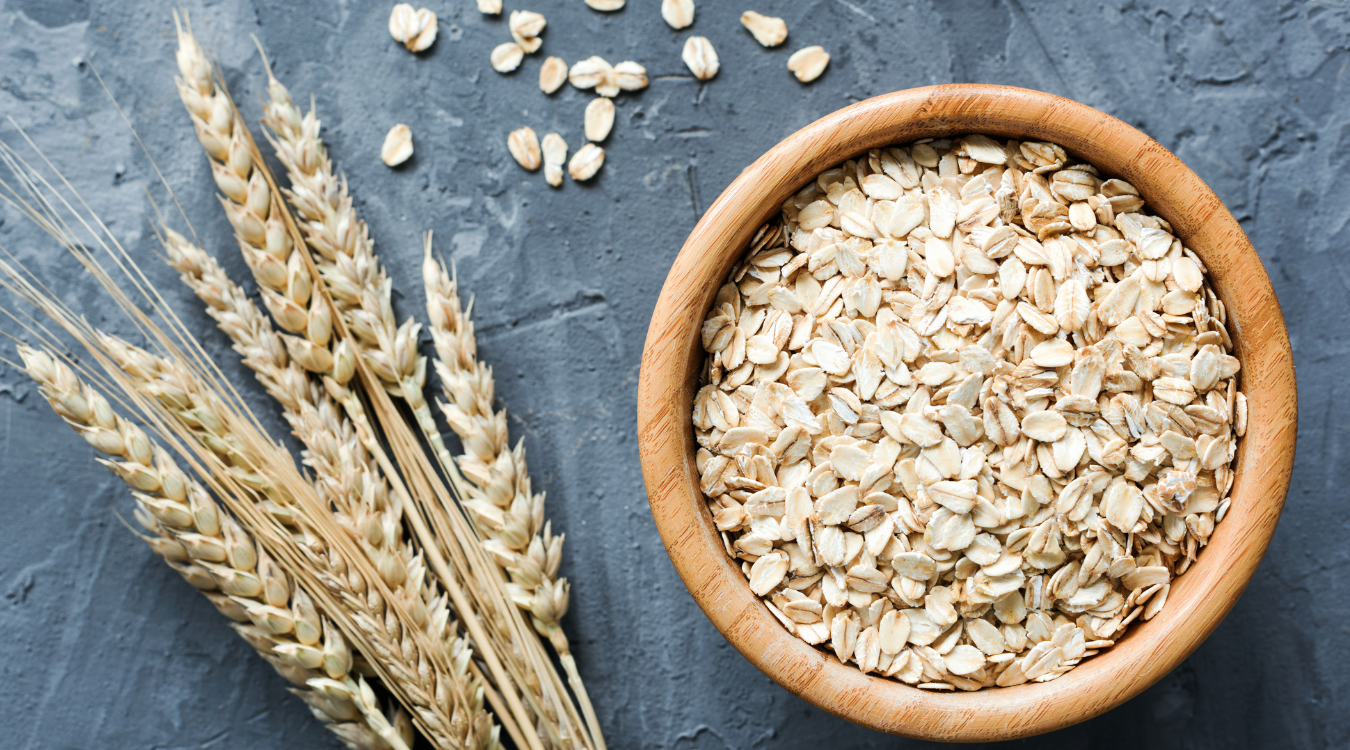
- Oats – Oats are naturally gluten-free, but they’re often contaminated with wheat during processing. Look for certified gluten-free oats to be safe.
- Salad dressings & sauces – Many contain hidden gluten in thickeners or flavoring agents. Always check the ingredients!
- Flavored chips and snacks – Some contain wheat flour or gluten in seasonings. Even BBQ or sour cream & onion chips can be risky.
- Imitation crab meat – If you love sushi, be careful! Surimi (fake crab) usually contains wheat starch.
- Malt beverages & malt vinegar – Malt is derived from barley, which contains gluten.
- Some plant-based dairy alternatives – Oat milk, malted drinks, and some nut milks can contain gluten-based additives.
On the flip side, here are some foods often assumed to contain gluten—but are actually sometimes safe:
- Corn tortillas – Some brands are pure corn, but others contain wheat flour. Always double-check!
- Certain bouillon cubes and broths – Some brands are safe, but others use wheat-based fillers.
- Rice-based cereals – Some are gluten-free, while others (like Rice Krispies) contain malt flavoring.
- Distilled spirits and whiskey – The distillation process removes gluten, but some brands add flavorings post-distillation that can be problematic.
The key takeaway? Always read the label, even on foods that seem safe. Gluten-free living is all about the details!
How to Read Labels and Identify Hidden Gluten
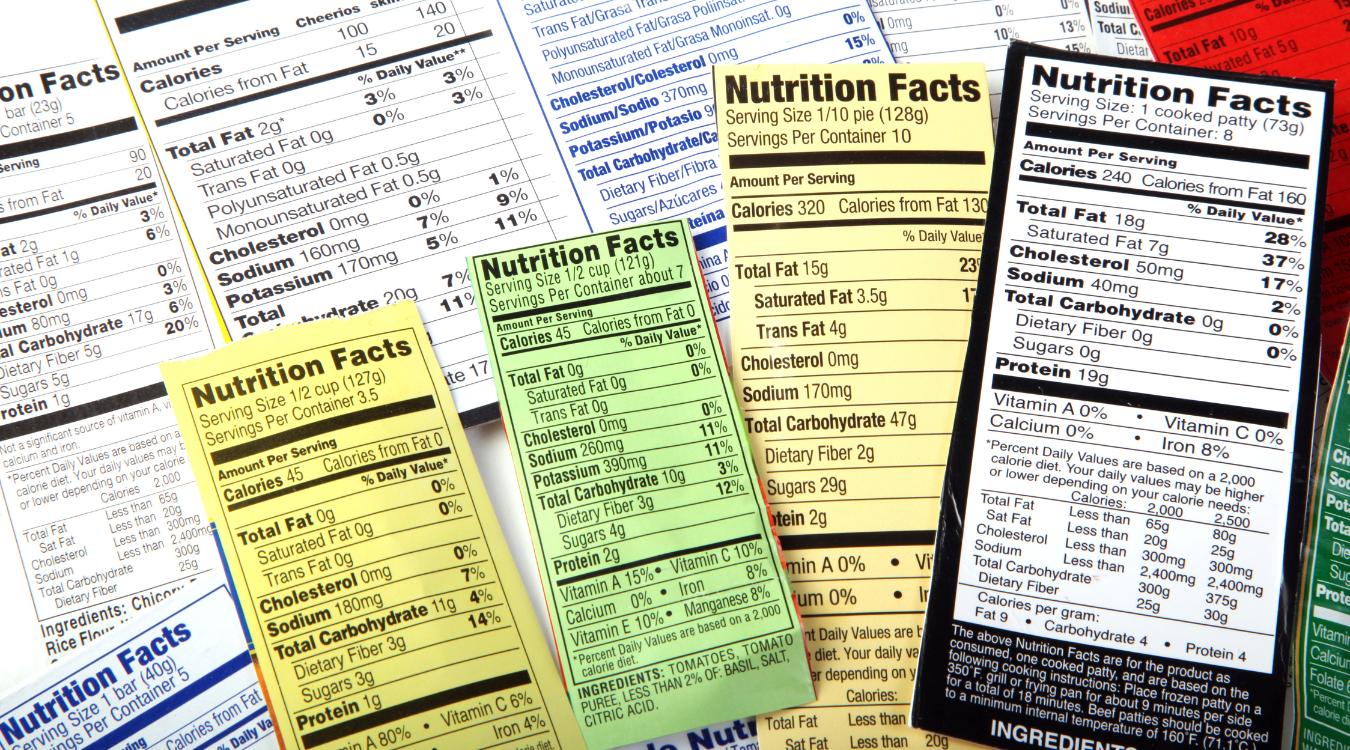
Reading food labels becomes second nature after a while, but at first, it can feel overwhelming. Here’s what to look for:
1. Common Ingredients That Contain Gluten:
- Wheat, barley, rye
- Malt (malt extract, malt vinegar, malt syrup—always from barley)
- Brewer’s yeast (often from barley)
- Semolina, spelt, durum (all wheat-related)
- Modified food starch (in the U.S., wheat must be named on the label if it’s the source)
- Hydrolyzed wheat protein
2. Check the Allergen Statement:
In the U.S. and Canada, products must list major allergens, including wheat. Look for:
- “Contains wheat” – This is a clear no-go.
- “Processed in a facility that also handles wheat” – This means there’s a risk of cross-contamination.
If a product isn’t certified gluten-free and has a shared facility warning, it’s best to avoid it if you have celiac disease.
Cross-Contamination: Why Certification Matters
Even if a food is made with only gluten-free ingredients, it can still be unsafe due to cross-contamination. This happens when gluten-free foods come into contact with gluten through:
- Shared production lines in factories
- Shared fryers in restaurants (e.g., fries cooked with breaded items)
- Utensils and cutting boards used for both gluten and non-gluten foods
This is why certified gluten-free products are so important—they’ve been tested to ensure gluten stays below strict limits.
Making Gluten-Free Shopping Easier
If you’re new to gluten-free living, navigating food labels can feel like learning a new language. But once you know what to look for—certifications, hidden sources of gluten, and tricky ingredients—it gets a lot easier.
Here are my top three tips:
- Look for trusted gluten-free certifications whenever possible.
- Always double-check labels, even on foods you assume are safe.
- When in doubt, reach out to the brand—many companies have great customer service teams that can confirm gluten-free status.
It takes time, but you’ll become a label-reading pro before you know it! Happy (and safe) gluten-free shopping!
Sources: Beyond Celiac: Gluten-Free Shopping, Beyond Celiac: Is Modified Food Starch Gluten-Free?, Coeliac Australia: Making a Gluten-Free Claim
Club Gluten Free shares practical, well-researched guides to gluten-free ingredients, products, restaurants and recipes. We check manufacturer statements and celiac organization guidance, and update our guides when products change.